

هاتف
:+86 - 17718123415
بريد إلكتروني
:info@sailsolaress.com
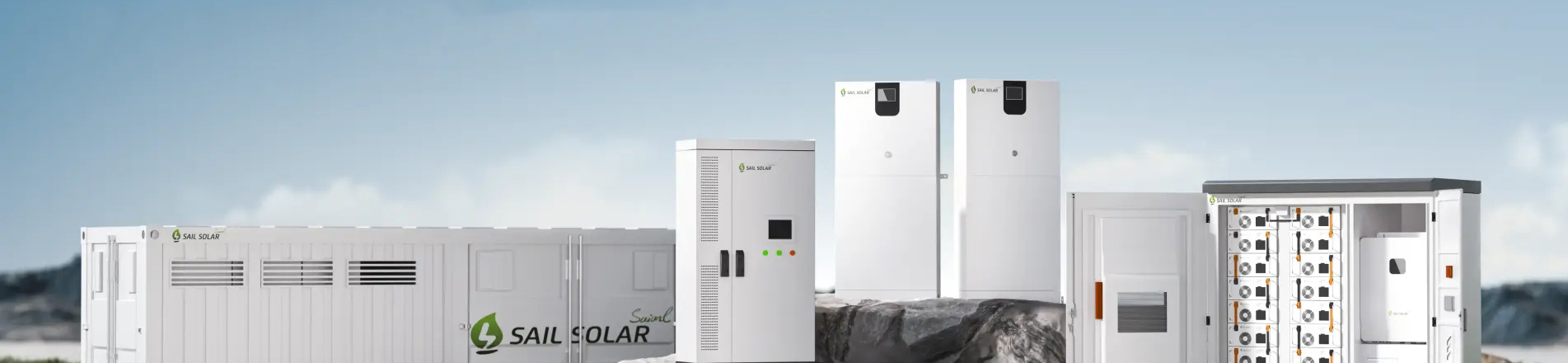
As a long term solar and energy storage exporter with more than 16 year experience supplying hybrid inverters, high voltage lithium ion batteries and complete off grid solar storage systems, our engineering and international sales team closely monitors China’s latest national tax regulations.
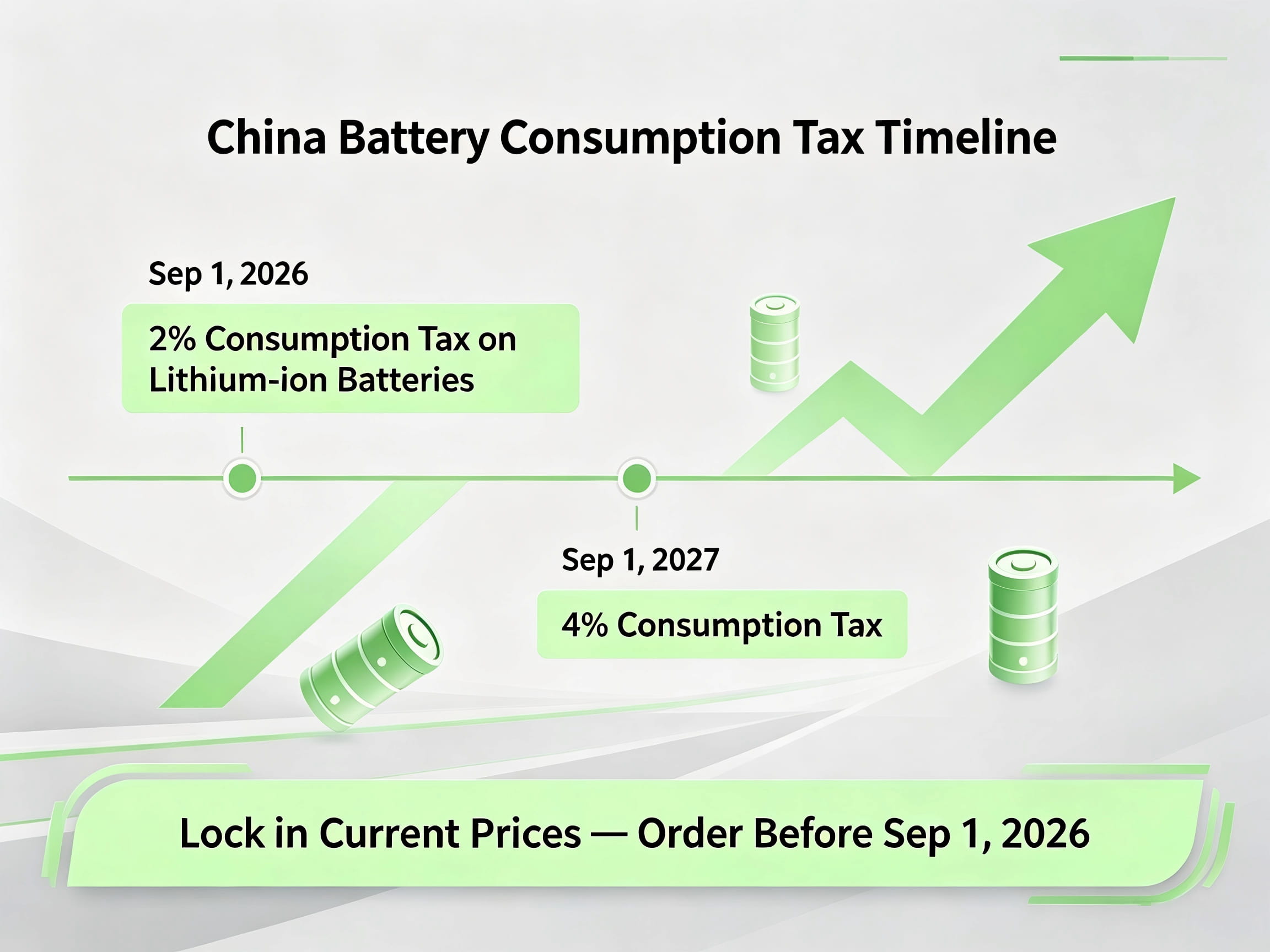
On July 17, 2026, China’s Ministry of Finance, the General Administration of Customs, and the State Taxation Administration jointly issued Announcement No. 20 of 2026, which ends the consumption tax exemption that lithium-ion batteries have enjoyed since 2015.
Two major policy changes will reshape lithium battery export costs from China in the coming months: the phased introduction of consumption tax on lithium ion batteries and the full cancellation of VAT export refund for battery products starting from January 1st, 2027.
This article breaks down official timelines, cost-impact analysis, frequently asked questions and practical purchasing suggestions to help overseas importers, solar installers and project developers arrange their procurement schedule reasonably.
1. Official Policy Timeline
1.1 Lithium‑ion Battery Consumption Tax
Important Note: Consumption tax is levied inside China at production stage. For export shipments, the paid consumption‑tax can be fully refunded after customs‑clearance of export goods. This means the consumption‑tax itself will not create permanent extra cost for overseas buyers.
Rule of judgement: The export‑tax‑refund policy follows the actual customs export‑date shown on Bill of Lading, not the date you sign the sales contract or place deposit payment.
3. FAQ
Q1: Will I pay extra 2% consumption tax if I order lithium batteries after September 1, 2026?
A: No. Consumption tax is collected at Chinese factory production stage. For export cargo, manufacturers can apply for full consumption tax refund after completing export customs declaration. No permanent 2% or 4% tax cost will be transferred to overseas clients. However, short term cash flow pressure on factories may lead to slight price fluctuation for large orders.
Q2: When will battery export price rise due to VAT refund cancellation?
A: The VAT-refund removal officially takes effect on January 1, 2027, calculated based on export customs date. Goods shipped out from China on or after 1st Jan 2027 will no longer enjoy the 6% VAT export refund benefit. Prices will gradually reflect this cost change.
Q3: If I sign contract and pay deposit in November 2026, but the goods are shipped in January 2027, can I still get the 6% VAT-refund price?
A: No. Tax policy follows the actual export declaration date, not contract signing or deposit payment date. If your shipment’s customs declaration date falls in Jan 2027 or later, zero VAT-refund policy will apply.
Q4: Are there any battery products exempted from consumption tax?
A: Sodium ion batteries, solid-state batteries and fuel cells remain consumption tax exempt until Dec 31, 2028. Standard lithium ion residential and commercial energy storage batteries are covered under the new consumption tax policy.
4. Procurement Strategy & Action Plan for Global Buyers
Based on official deadlines and our years‑long export experience, we have prepared 4 practical suggestions for solar distributors, EPC contractors and project owners:
1) Take full advantage of the remaining 2026 time period (before Dec‑31‑2026)
If you have confirmed 2026‑2027 solar‑storage projects, consider placing orders and arranging shipment before the end of December, 2026. Orders exported within 2026 can still lock‑in the current 6% VAT export‑refund policy and avoid the cost impact of zero‑refund starting from Jan‑2027.
2) Long‑term framework agreements & price‑lock negotiation.
For clients with continuous quarterly or yearly battery purchasing demand, you may discuss long‑term supply framework contracts with us to lock stable pricing and secure production capacity in advance.
3) Project schedule optimization & lead‑time management.
Please keep in mind ocean‑shipping transit time, document processing (special import documents). Reserve sufficient production and logistics lead‑time to ensure your battery containers complete China export customs‑declaration before December 31, 2026 if you want to catch the current tax window.
4) Upgrade to higher‑quality energy‑storage solutions.
With the industry shifting from low‑price competition to quality‑driven development, we recommend buyers prioritize high‑voltage modular lithium‑batteries with longer cycle‑life, advanced BMS protection and wide‑voltage grid adaptability rather than low‑cost short‑life battery products, to reduce your after‑sales risk in remote overseas markets.
Summary
Our sales‑engineering team is ready to review your upcoming solar‑storage project load requirements, calculate system capacity, quote high‑quality lithium‑battery and hybrid‑inverter packages, and work out the most cost‑effective shipment timeline for you. If you have any questions regarding your procurement schedule or quotation, feel‑free to contact our team today.
 شبكة IPv6 مدعومة
ترك رسالة
مسح ضوئي إلى WeChat :

مسح ضوئي إلى WhatsApp :